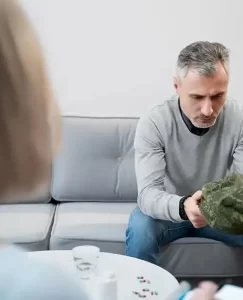
Some experiences refuse to stay in the past, no matter how much time passes. You can be back at work and with people who care about you. You can seem perfectly fine. Yet a sound, a smell, a voice, or a sudden flash of memory can pull you right back to the worst moments of your life. Your heart jumps. Your body reacts before your mind understands what’s happening.
Nightmares wake you up sweating, and flashbacks make the present feel unsafe. You may tell yourself, “It’s over,” but your nervous system hasn’t received that message.
The Rewind Technique in Christchurch offers support that helps the brain recognise that the trauma is over, and healing can begin. Let’s dive into how that works.
When Trauma Gets Stuck
After a terrifying or violating event, the brain is supposed to slowly process what happened and store the memory away as something finished. Post-traumatic stress disorder (PTSD) occurs when that process is interrupted.
Instead of becoming an experience, the trauma remains active inside the nervous system.
The result? The brain stays in survival mode, always watchful, overwhelmed, and vulnerable to triggers. It is especially common after sexual violence, assault, abuse, or disasters.
It does not mean you are weak, far from it. The brain is just trying to do a good job at protecting you, not realising that the threat has passed.
The Science Behind Why Trauma Feels “Now”
Trauma changes how three major brain regions work together.
- The amygdala becomes overactive, reacting to reminders as if they’re threats.
- The prefrontal cortex becomes underactive, so logic can’t entirely override fear.
- The hippocampus struggles to file the trauma away as “over,” leaving fragments that intrude without warning.
That’s why a memory can show up as a sudden physical reaction, why nightmares feel so real, and why fear doesn’t always match the situation.
The Beliefs Trauma Leaves Behind
Trauma doesn’t just affect fear; it alters your perception of yourself and the world. People often start blaming themselves.
- “I could have stopped it.”
- “It changed who I am.”
- “I can’t trust anyone anymore.”
- “Maybe it was my fault.”
These beliefs form because the brain is trying to find a reason for something that should never have happened.
Shame can feel like control: “If it was my fault, maybe I can prevent it next time.”
It’s a survival strategy, but it keeps the blame inward.
The Rewind Technique can help reduce the emotional weight carried by the memory itself, which often allows these self-blaming thoughts to soften naturally.
How Rewind Technique Works
The Rewind Technique is used to help the brain process traumatic memories without needing you to talk through the details of what happened.
The memory is reviewed from a calm and detached point of view and experienced in reverse. This unusual way of processing allows the fear response to disconnect from the memory.
Because the body remains relaxed during the process, often induced by hypnotherapy, the brain can begin to register that the trauma is no longer happening now. It typically works in just one session for single-event traumas, quickly eliminating flashbacks and nightmares.
For many people, this can lead to fewer flashbacks, less fear around reminders, and a greater sense of emotional safety.
What Healing Can Feel Like
Recovery isn’t dramatic at first. It often shows up as small wins:
- Sleeping without waking in panic
- Going somewhere you avoided for years
- Feeling present in conversations again
- Realising that a thought that once felt true no longer holds true.
Life slowly stops being organised around fear. You start imagining a future again. A future that is not just survival.
Healing at Christchurch
Many people here carry trauma quietly. Trauma is not just from violence or accidents but from years of rebuilds, EARTHQUAKES, losses, unsafe relationships, and moments where life changed without warning.
The Rewind Technique provides a safe, quick, and painless way to treat PTSD and trauma symptoms without requiring you to share intimate details. This approach helps people heal in a place where they feel safe and secure at all times, allowing trauma reactions to gradually loosen their hold.
Working with a therapist trained in Christchurch means you’re supported by someone who understands trauma’s physical, emotional, and cultural impact. Healing doesn’t erase what happened; it helps you reclaim who you are despite it.
Final Thought
The Rewind Techniquedoesn’t ask you to forget, minimise, or excuse what happened. You are allowed to heal, and you do not have to do that alone. Accessing the Rewind Technique in Christchurchoffers a compassionate way to understand your reactions, challenge the beliefs that are hurting you, and allow your brain to learn that you are no longer in the moment of trauma.
Remember, your trauma is not your fault, and it certainly does not have to be a life sentence. You deserve a life that is bigger than what was done to you.